
Infection control benefits everyone.
Infection control prevents the spread of disease in healthcare settings. Following simple, evidence-based practices protects you, your patients and your community.
Stay up to date on best practices. Check out the resources below. We also offer:
- Help with communicable disease and reporting questions.
- Help with outbreak investigation and control.
- Visits from Public Health Consultants who provide public health information and updates.
When transferring a patient, hospitals and long-term care facilities must complete the
Inter-Facility Infection Prevention and Safety Form.
Precautions
- Infection Control Guidelines.
- Standard precautions for all patient care, CDC.
- Methicillin-resistant Staphylococcus aureus (MRSA) Basics, CDC
Injection safety
- Safe Injection Practices to Prevent Transmission of Infections to Patients, CDC.
- Preventing Unsafe Injection Practices, CDC.
- Injection Safety Resources for Providers, CDC.
Hand hygiene
Personal protective equipment
Environmental Cleaning
- Quick reference: How to clean equipment and surfaces, when to clean, what to use.
- Disinfection and sterilization guideline, CDC.
Other resources
- Infection control resources and links.
- Controlling norovirus.
- Influenza information.
- Healthcare-associated infections, CDC.
- Association for Professionals in Infection Control and Epidemiology.
- epiTrends, DOH.
Patient materials
Infection Control News
-
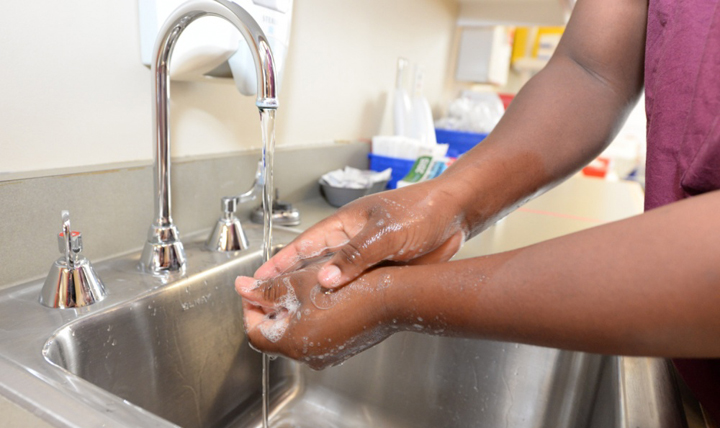
Hand Hygiene In Healthcare Settings
What is hand hygiene? Hand hygiene refers to the use of hand washing with soap and water or alcohol hand sanitizer (60% alcohol or greater) in order to reduce infection rates, reduce transmission of antimicrobial resistant organisms and stop outbreaks of communicable disease. Why is hand hygiene important? When should I use hand hygiene? How…